
Feature · Football
Rodri Barcelona Transfer: Tactical Role & Busquets Comparison
An in-depth tactical analysis of Rodri's move to FC Barcelona as the ultimate pivot successor to Sergio Busquets, alongside a detailed breakdown of La Liga Financial Fair Play registration rules.
Thabo Williams · Sports Betting Editor
Reviewed by BestCasinoSA Editorial Team · Published 19 August 2026 · Updated 17 September 2026
Team news, line-ups and fixture details can change late. This article was last updated on 17 Sep 2026. Always confirm the latest information before relying on it.
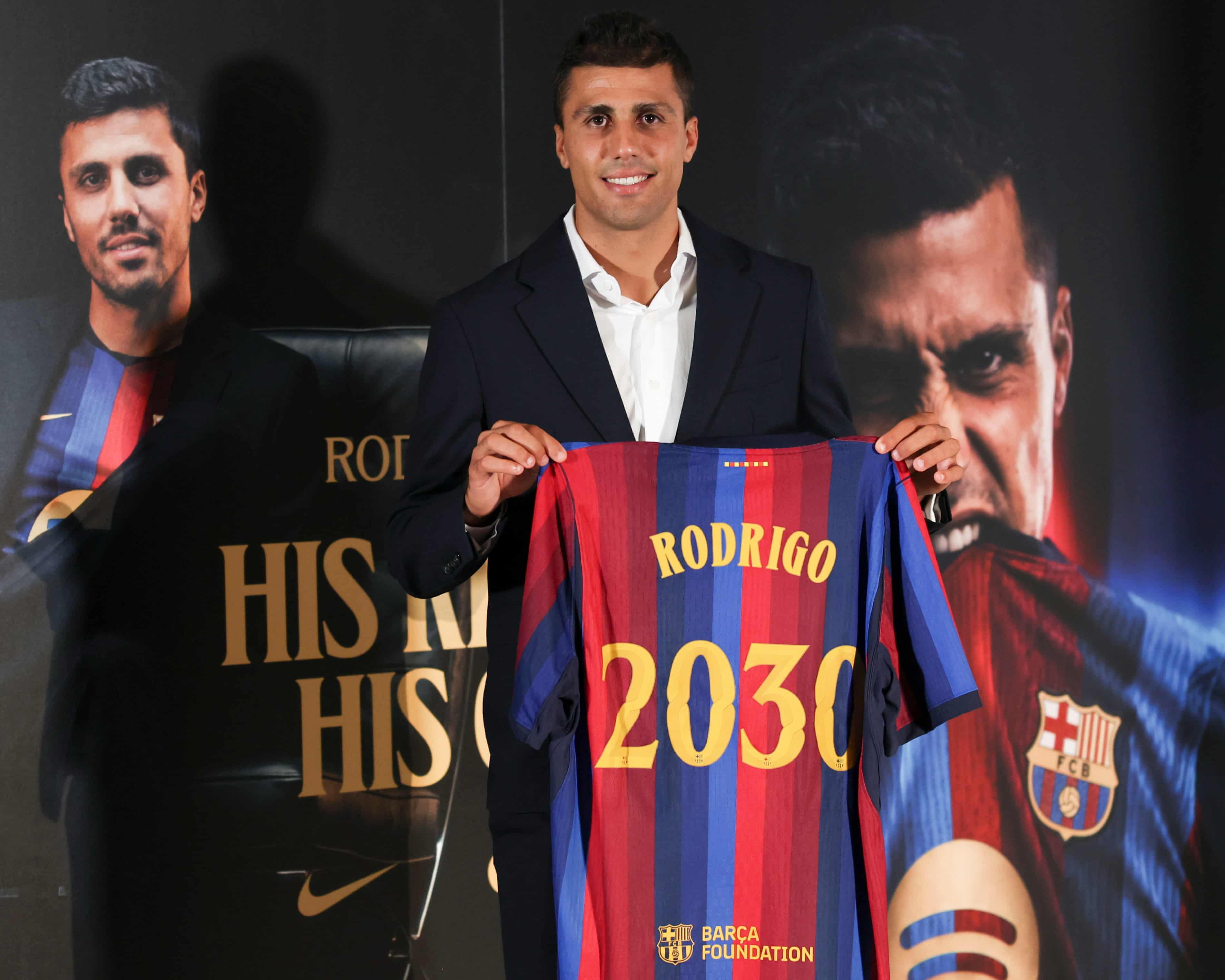
FC Barcelona's pursuit and acquisition of Rodrigo 'Rodri' Hernández from Manchester City represents a monumental structural shift in European football. By securing the premier single-pivot midfielder in world football, the Rodri Barcelona transfer finally addresses the gaping tactical void left by club legend Sergio Busquets. Rodri's arrival provides a commanding blend of physical dominance and press-resistant ball progression, stabilizing the Blaugrana's central axis while posing complex Financial Fair Play (FFP) compliance mechanics under La Liga's stringent spending regulations.
While public narrative often links Barcelona with headline-grabbing attacking forwards, prioritizing a world-class deep-lying playmaker directly targets the team's structural flaws. Since Busquets' departure, Barcelona have lacked a central regulator capable of dictating tempo under high press and stopping defensive transitions before they reach the back line.
Rodri Barcelona Transfer: Tactical Anatomy & Strategic Value
Securing the high-profile Rodri Manchester City to Barcelona transfer involved complex negotiations and significant financial commitments. Reported figures indicate a base transfer fee of €60m with up to €15m in prospective performance add-ons, alongside a multi-year contract that places the Ballon d'Or winner among the club's top earners. For complete context on high-profile European moves across the window, explore our latest football transfer news round-up.
Barcelona's board prioritized a deep-lying playmaker over high-priced central forwards for a simple reason: structural sustainability. Under modern high-pressing schemes, teams that cannot control the central build-up phase become vulnerable to rapid turn-over transitions. Neither defensive improvisations nor double-pivot pairings fully duplicated the calm single-pivot coverage that Busquets provided for over a decade. By signing Rodri, Barcelona acquire a proven serial winner accustomed to Pep Guardiola's positional play (Juego de Posición), instantly elevating the tactical ceiling of the squad.
| Attribute / Tactical Metric | Sergio Busquets (Classic Profile) | Rodri (Modern Hybrid Pivot) |
|---|---|---|
| Defensive Mechanism | Spatial anticipation, lane blocking | Recovery tackling, physical duels, tactical fouls |
| Aerial Engagement | Moderate win rate (~50–55%) | Dominant aerial winner (~70%+ success) |
| Transition Engine | Low top speed, reliant on positioning | Dynamic box-to-box engine, long recovery stride |
| Press Break Method | One-touch escape feints, La Pausa | Body shielding, line-breaking carries, vertical passes |
| Goal Threat | Occasional edge-of-box recycler | Potent long-range shooter, set-piece target |
| Build-up Role | Dropping between centre-backs | Controlling central circle, driving through lines |
Rodri Busquets Tactical Comparison: Pivot Breakdown
In executing a detailed Rodri Busquets tactical comparison, one must distinguish between two distinct interpretations of the defensive midfield position. Busquets operated as a pure cerebral pivot whose primary tools were spatial orientation, body orientation, and instantaneous pass selection. Rodri, while possessing similar positional intelligence, adds high-level athletic output, physical duel winning, and dynamic driving ability.
In-Possession Dynamics: Buildup Phase and Pressing Resistance
In the initial build-up phase, Sergio Busquets was famous for La Pausa—the deliberate beat taken on the ball to draw pressing triggers before executing a line-breaking pass. Busquets rarely carried the ball forward; his resistance to high pressing relied on single-touch layoffs, micro-adjustments of his hips, and subtle feints that rendered opponent pressure useless.
Rodri executes line-breaking passes with comparable vision, but his in-possession profile incorporates powerful ball carrying. When opposition teams employ aggressive man-marking schemes against Barcelona's deep build-up, Rodri utilizes his 1.91m frame to shield the ball under direct contact. Rather than relying solely on rapid pass-and-move sequences, Rodri can turn away from pressure and drive 15 to 20 metres upfield, collapsing opposition mid-blocks and opening passing lanes into the half-spaces.
Out-of-Possession Profile: Transition Defense and Aerial Dominance
Out of possession, the contrast between the two Spanish international pivots becomes even clearer. Busquets relied on elite spatial positioning to cut off passing lanes and recover loose balls. However, when opponents managed to breach Barcelona's counter-press, Busquets lacked the top-end recovery speed to match fast attackers in wide-open transitions.
Rodri provides a significantly more imposing defensive shield:
- Aerial Superiority: Rodri wins over 70% of his aerial duels, neutralizing opposition long balls, goal kicks, and defensive set pieces—an area where Barcelona have historically been vulnerable.
- Transition Recovery: Rodri's stride length and powerful engine allow him to cover vast horizontal ground, executing tactical fouls or clean slide tackles when opponents break through.
- Physical Duel Efficiency: High success rate in 50/50 ground duels, preventing physical midfielders from running through the central channel.
This physical evolution gives Barcelona's tactical setup a dual threat: retaining traditional Catalan passing fluidity while matching the physical intensity of elite European rivals.
La Liga FFP Rodri Registration & Financial Constraints
While the sporting rationale for signing Rodri is unquestioned, completing the deal requires navigating complex La Liga FFP Rodri registration rules. Governed by league regulations and official financial framework guidelines set by La Liga Nacional de Fútbol Profesional, the league enforces a rigid Límite de Coste de Plantilla Deportiva (Squad Cost Limit). This framework restricts each club's total expenditure on first-team player salaries, image rights, agent fees, and transfer fee amortizations to a set percentage of their operating revenue.
To successfully register Rodri, Barcelona must navigate several strict financial constraints:
- Transfer Amortization Calculations: When a club signs a player on a multi-year deal, the transfer fee is divided evenly across the contract duration for accounting purposes. A €60m transfer fee on a four-year contract equates to an annual amortization cost of €15m. When combined with a gross annual salary of around €15m to €20m, Rodri adds an estimated €30m to €35m annually to Barcelona's official squad cost limit.
- The 1:1 vs Restricted Spending Rules: If a club exceeds its designated spending limit, it falls under La Liga's restricted spending rules (historically the 1:4 or 1:2.5 rules, now adjusted under modified economic restrictions). Under these restrictions, a club can only spend a fraction of the funds it generates through player sales or wage reductions on new player registrations. To achieve the coveted 1:1 rule—where every Euro saved or generated can be spent on new signings—Barcelona must fully balance their operating budget.
- Squad Wage Reductions and Economic Levers: Registering a marquee contract requires structural financial relief. This involves offloading high-earning squad players, restructuring existing veteran contracts, or activating approved financial levers (such as commercial asset sales or media rights monetization) to expand the official spending cap.
Without meeting these precise balance metrics, La Liga's automated registration portal prevents squad updates, regardless of signed contracts between clubs.
Barcelona Midfield Tactical Breakdown: Partnering Rodri, Pedri & Gavi
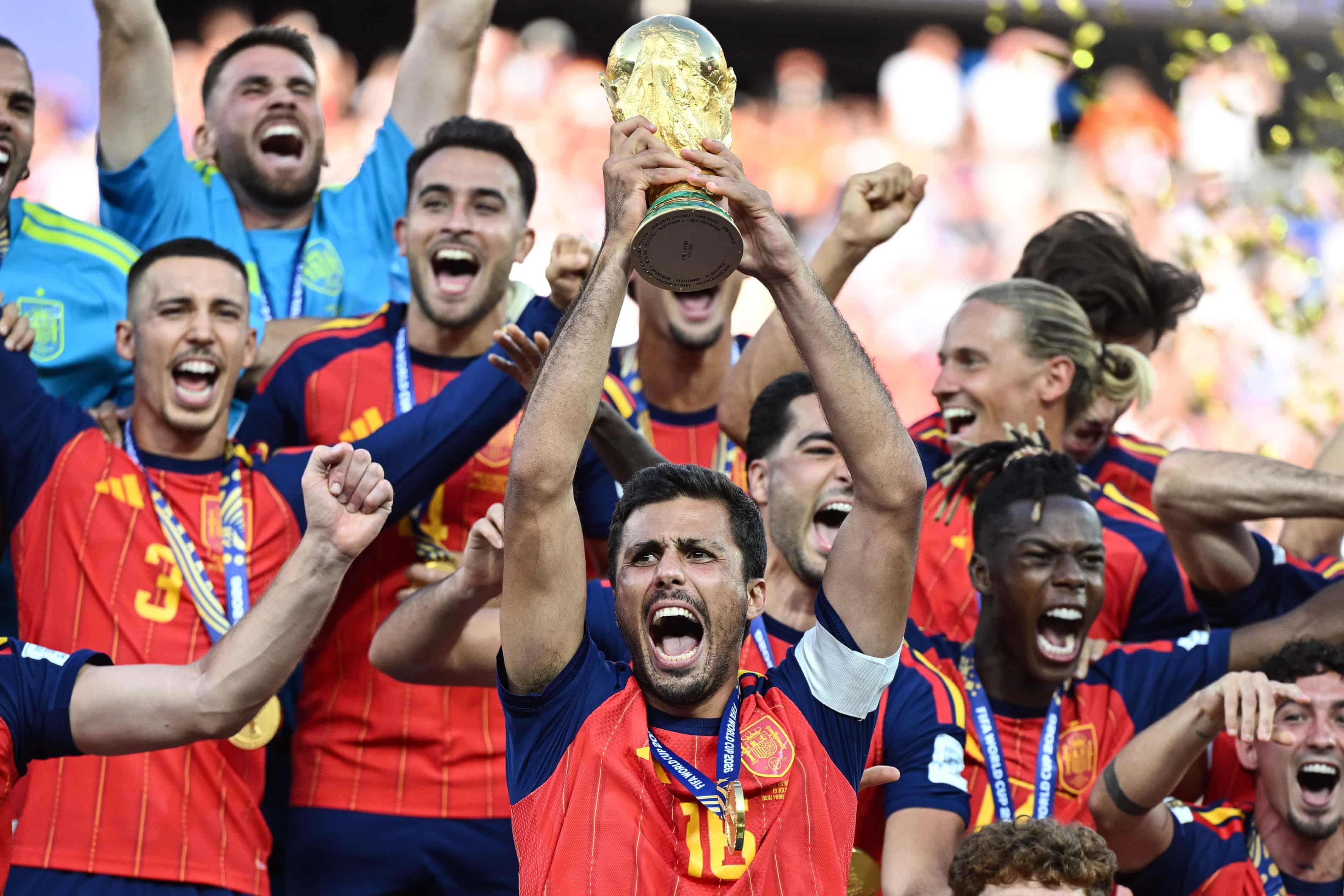
A complete Barcelona midfield tactical breakdown illustrates how the integration of Rodri fundamentally transforms the roles of Barcelona's creative interiors, most notably Pedri and Gavi.
In recent seasons, Pedri was frequently forced to drop deep into his own half to assist in ball progression, expending valuable energy simply getting the ball into the central third. With Rodri assuming complete control over deep build-up duties, Pedri is liberated to operate permanently in the attacking half-spaces. Receiving the ball between the opponent's defensive and midfield lines allows Pedri to maximize his lethal key-passing and goal-creation ability.
Similarly, Gavi's aggressive, high-energy pressing dynamic becomes far safer. With Rodri sweeping up behind him, Gavi can press high up the pitch to force turnovers without leaving massive spaces exploited behind the midfield line. This setup shares direct tactical DNA with Pep Guardiola's blueprint at Manchester City, where solid structural coverage behind creative talents drives elite consistency. For further analysis on elite tactical setups, see our Arsenal 3-0 Manchester City title race report.
Additionally, Manchester City's midfield reconfiguration amid high-profile European transfers—including ongoing squad rebuilds and moves detailed in our Enzo Fernandez transfer analysis—highlights how pivot movements reshape top-tier football dynamics across Europe.
Impact on the Title Race & South African Viewing Context
Rodri's move to Barcelona directly impacts the domestic hierarchy in La Liga, significantly altering the competitive balance against Real Madrid. Real Madrid's own midfield evolution has prioritized dynamic athletic power; Barcelona securing Rodri ensures they possess the technical authority needed to break down low blocks while standing firm against counter-attacking teams.
For South African football fans following European action on local SuperSport channels, this move elevates the strategic spectacle of La Liga fixtures. Match kick-offs broadcast during evening slots in South African Standard Time (SAST) will showcase a rejuvenated Barcelona midfield dynamic. Mzansi supporters tracking former Premier League stars in Spain can follow comprehensive coverage on our dedicated South African football hub.
Ultimately, Rodri represents the bridge between classic Barcelona positional play and the intense physical demands of modern football—a marquee signing engineered to anchor Camp Nou's new era.
Frequently asked questions
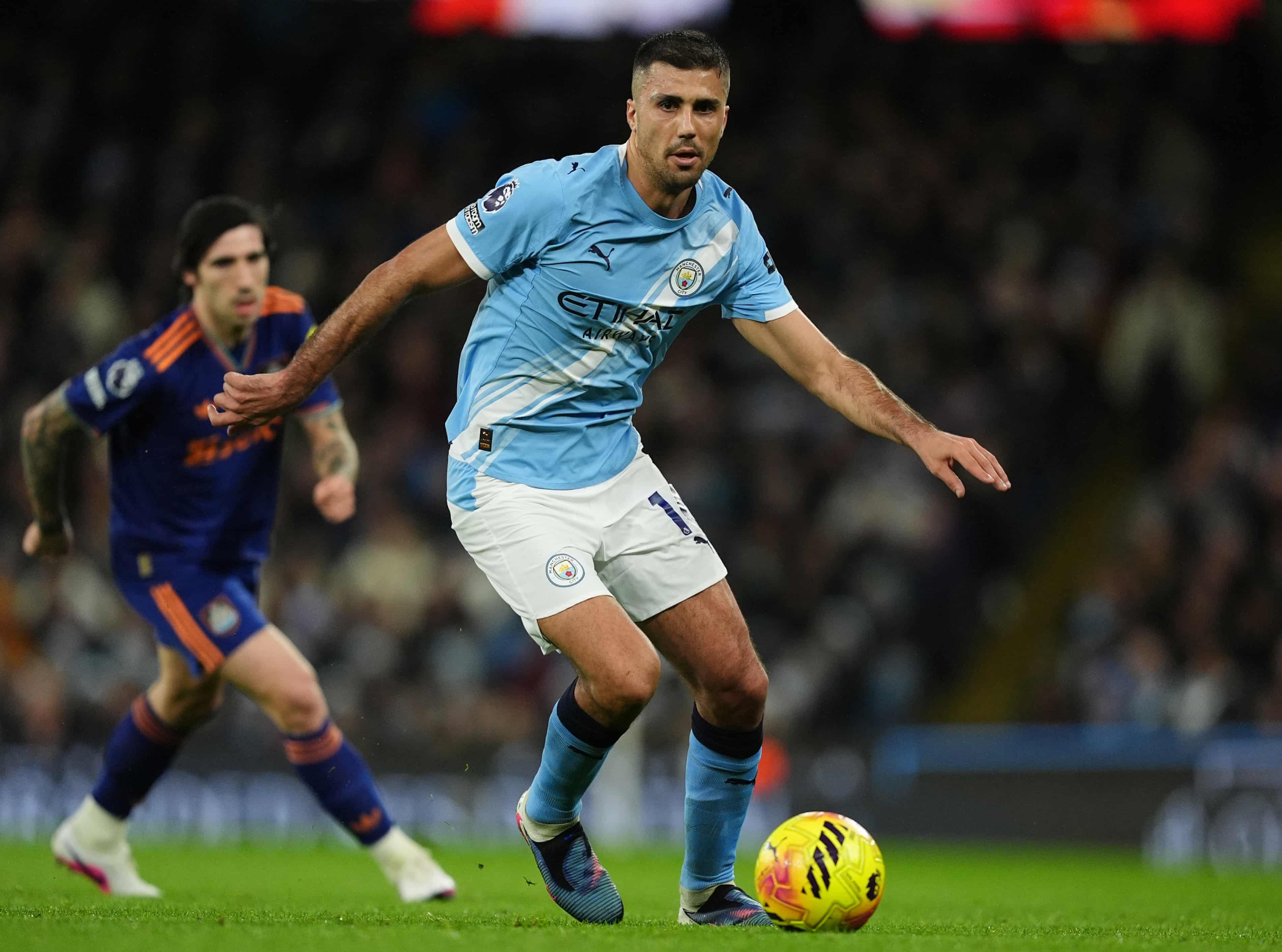
How does Rodri compare to Sergio Busquets tactically?
While both players excel at single-pivot positional play and line-breaking passes, Rodri offers significantly greater physical duel strength, aerial dominance (winning over 70% of duels), dynamic ball-carrying, and long-range shooting compared to Busquets' pure positional anticipation and one-touch escaping mechanisms.
How will FC Barcelona comply with La Liga Financial Fair Play to register Rodri?
Barcelona must comply with La Liga's squad cost limit by amortizing Rodri's reported €60m fee across his contract duration and balancing their wage bill through player sales, salary reductions, or returning to the 1:1 spending rule criteria.
What does Rodri bring to Barcelona's midfield alongside Pedri?
Rodri absorbs deep build-up duties and defensive recovery work, freeing Pedri to operate permanently higher up the pitch in the half-spaces where his key passing and final-third vision are most impactful.
Why did Barcelona prioritize a deep pivot over an attacking forward?
Barcelona prioritized stabilizing their central defensive axis and build-up phase, as the lack of a world-class single-pivot since Busquets' exit left the team vulnerable to rapid opposition counter-attacks.

